From content strategy and SEO articles to social media content, distribution, and results analysis.
Start a projectContent marketing is not just about regular publishing for the sake of activity. It's a system that connects a company's goals, audience questions, search demand, and the channels where customers make decisions.
Juice Digital Agency is a content marketing agency that works with businesses in Europe and worldwide. We create content strategies, SEO articles, website copy, social media content, email materials, and repurpose content into various formats. The exact scope of work is determined after an audit, based on priorities and the client team's capabilities.
We measure results by search visibility, quality traffic, engagement, inquiries, and assisted conversions. We do not guarantee specific rankings, traffic, or sales increases in advance.
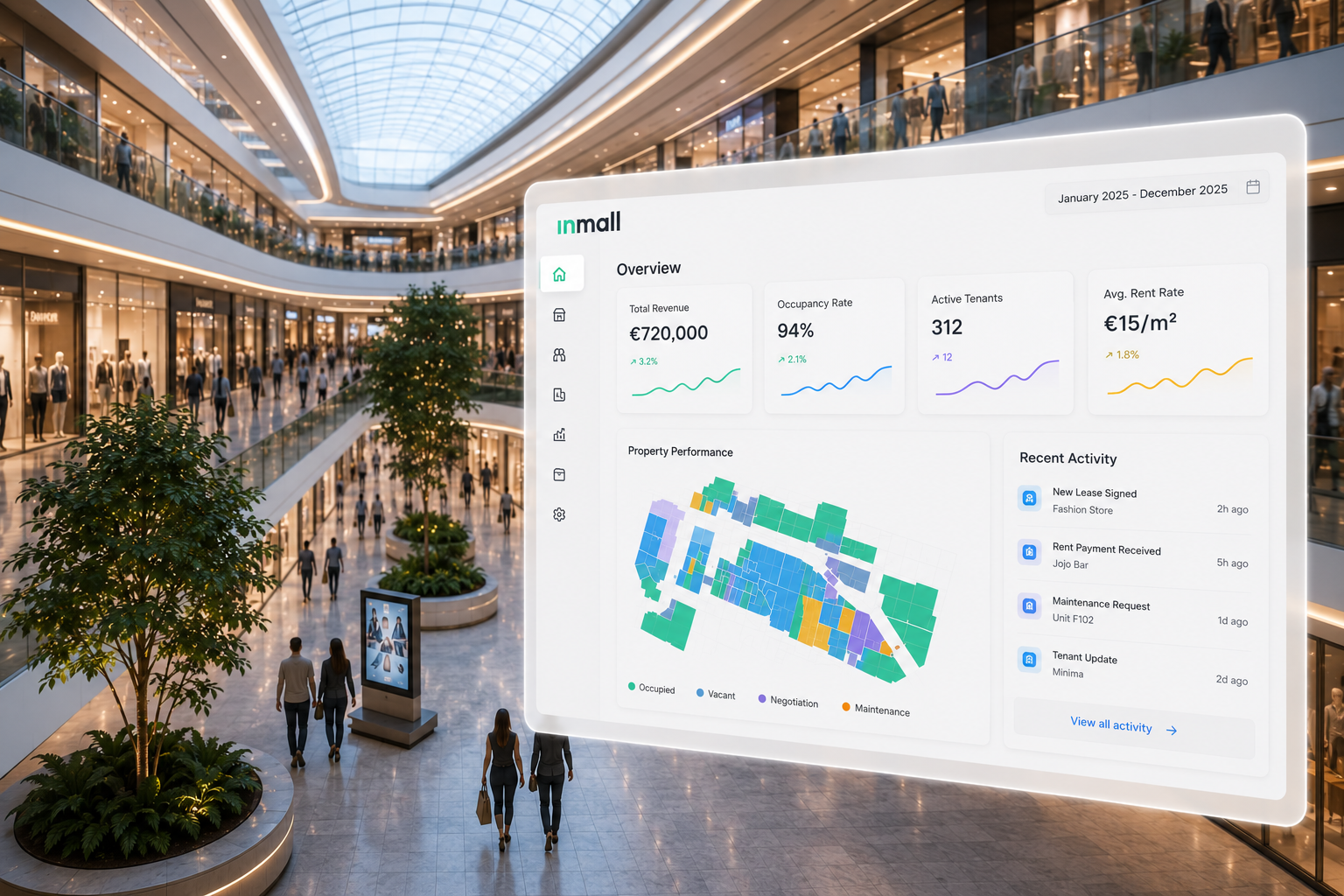
The projects shown below are examples of Juice Digital Agency's broader work - branding, design, and website development projects. They are not a confirmation that each one included a full content marketing collaboration.

 UX/UI DesignMarketingSEO
 Web Development
 UX/UI DesignMarketingSEO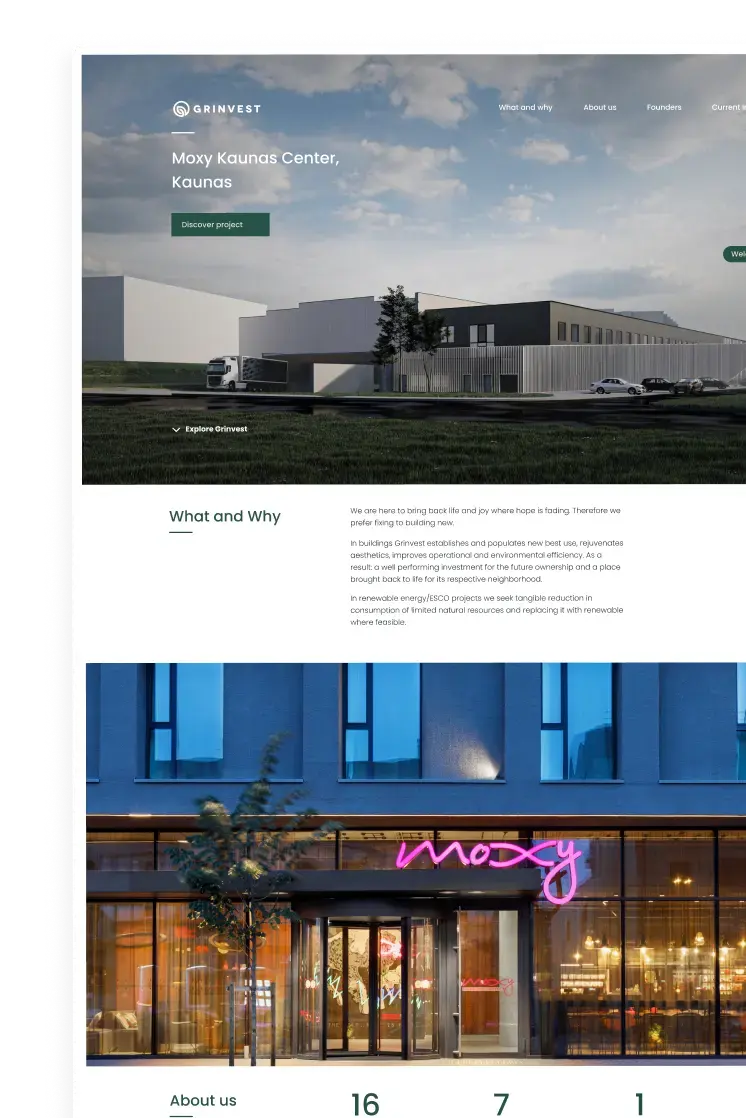
 Web Development
Experience in content, SEO, and digital marketing projects for businesses in Europe and worldwide - across various industries and languages.
SEO articles, website copy, social media content, email and content strategy projects - with a focus on search visibility and quality traffic.
We work in Latvian, Russian, and English - creating a separate version for each language with localized tonality, not automatic machine translation.
Below are practical situations where a structured approach to content typically provides more value than individual materials without a plan:
Each stage of the customer journey requires a different format and message. The impact of a single article or post rarely leads directly to a sale - content works as a series of touchpoints that together help in making a decision.
Initial touchpoints when a person is not yet aware of a problem or brand. Examples: short educational articles, social media posts, introductory videos, LinkedIn thought leadership materials.
The person is looking for answers to specific questions. Examples: longer SEO articles, comparisons, guides, explainer videos, FAQ sections on the website.
Comparing approaches or providers. Examples: case studies, service pages, comparative articles, expert interviews, detailed webinar materials.
Final touchpoints before and after the purchase. Examples: customer testimonials, specific service pages, email series, educational materials for existing clients, internal support content.
Organic visibility isn't built from individual articles - it's created by a structured system of topics. We start with search demand and semantic core research to understand what people are actually searching for and what their intent is. More on this approach in our article about what a semantic core is.
On this foundation, we build topic clusters, where one central service page connects to thematically related articles through internal links. This structure helps search engines understand the page's context and strengthens its overall authority on the chosen topic.
We measure results in Search Console data - impressions, clicks, average position, CTR, and the pages that bring real quality traffic. We explain how to read this data practically in our article on what to check in Google Search Console. We regularly update content, as improving existing materials often yields faster results than writing new ones from scratch - this approach is closely related to our SEO optimization service.
A reliable content principle - use a researched idea multiple times. The choice of channel always depends on the audience and business model; there's no point in publishing everywhere possible.
The starting point from which all subsequent formats derive - real expertise and concrete examples.
An in-depth SEO article or guide that satisfies search intent and serves as a central piece of content.
A shorter thought or insight that attracts a professional audience and leads to longer material.
A visual story for Instagram or LinkedIn - short, structured points and a clear call to action.
Reels, TikTok, or YouTube Shorts - a condensed form of one idea with a clear message.
Email material that connects interview insights with specific steps for the reader.
Answers to real questions are added to service pages - strengthening SEO and conversion.
The insights gained are incorporated into existing service pages to strengthen the evidence base.
Publishing alone does not guarantee reaching an audience. Distribution is a separate planning stage, not a post-publication afterthought.
A long-term channel based on SEO structure, topic clusters, and content quality. Results build up over months but are sustainable.
Adapting material for a specific channel and audience, not just copying the same text everywhere.
A direct channel to an audience that has already expressed interest. Suitable for repeated touchpoints at a regular cadence.
Suitable when a piece of content has strong organic signals or a specific commercial goal - more details in our Google and Meta Ads service.
New content is linked to existing service pages and articles - strengthening both the user journey and search signals.
Existing materials are repurposed into other formats or updated - this often yields faster results than creating new content from scratch.
Fixed at the start of the collaboration: who reviews the content, how many stages, how long is the approval window.
A defined number of revisions for each piece of material. Additional changes outside the scope are estimated separately.
Depends on the collaboration model: we publish or the client's team does. This is fixed at the start of the collaboration.
We use AI as an auxiliary tool - for research, structuring materials, generating variations, and repurposing content into other formats. Every piece of content to be published goes through an editor's review; claims and sources are verified. Confidential client information is not entered into public AI tools without permission.
AI output is adapted to the client's brand voice and editorial guidelines. AI does not guarantee originality, accuracy, or search visibility - the editorial process is responsible for that. For more context: AI Marketing in Latvia 2026, and practical AI prompts for marketing.
We've written separately about why over-reliance on AI makes brands visually and narratively similar: why AI makes brands look the same. And about the changes in the search landscape and new areas of optimization - AI SEO, GEO, and AEO.
A six-step process - from business goal audit to publishing, distribution, and results optimization. A practical 30-minute content audit template is also useful for getting started.
We start by evaluating business goals, target audience, and existing content. We analyze published materials, search visibility, engagement, and traffic to understand what's already working, what can be updated, and where the gaps are. The result is a documented list of findings that serves as the foundation for the content strategy and priorities.
We define audience segments, the customer journey, and the questions that content will answer. We analyze search demand using Google Search Console, Semrush, and Ahrefs data, as well as competitor content coverage and gaps. We evaluate the channels where customers make decisions - organic search, social media, email, external media - and their actual role in your market.
We prepare a content strategy: positioning, tone of voice, topic clusters, priorities, channel distribution, and mapping the target audience to customer journey stages. We define KPIs and a measurement model. The strategy is transformed into an editorial calendar with specific headlines, formats, keywords, internal linking structure, and a brief for each piece of content.
We write SEO articles, website copy, social media content, and email materials together with the client's experts. Each piece of content goes through an editor's review, on-page SEO structuring, and, where appropriate, coordination of design and visual materials. The approval process, revision limits, and deadlines are fixed at the beginning of the collaboration to ensure development proceeds at a predictable pace.
We publish content on the client's chosen channels and plan for distribution - in organic search, on social media, via email, and, where appropriate, with paid amplification. We repurpose a single piece of content into multiple formats to maximize the use of previously completed work. We coordinate internal links between new and existing content to strengthen topic clusters and the visibility of service pages.
We regularly analyze data in Search Console and GA4 - search visibility, clicks, quality traffic, engagement, assisted conversions, and generate_lead events. We compare it with the initially defined hypotheses and KPIs. We update existing materials where we see potential and replan the calendar, doubling down on what brings results and discarding what doesn't.
This is an indicative collaboration model. The precise scope of work and deadlines depend on the volume of content, client involvement, the approval process, and the chosen channels.
Search impressions in Search Console data - how often pages appear in search results for relevant queries.
Rankings for target keywords and topic clusters, not a general average position.
Traffic from search with real engagement - time on page, depth, next steps.
Reading depth, interaction with materials, comments, and shares on channels where this is measurable.
The GA4 model shows when content was one of the touchpoints before an inquiry or purchase.
Specific inquiries through the content path - contact form, newsletter signup, consultation booking.
Newsletter open rates, clicks, social media engagement - where these channels are part of the collaboration.
How many service page visits and conversions are supported by thematically related content.
The number of brand searches in Google data and mentions in external sources - where this is measurable.
The impact of a single piece of content cannot always be isolated from SEO, advertising, brand awareness, and the sales process. Therefore, we evaluate results in the context of the overall customer journey and do not guarantee specific traffic, rankings, or sales increases.
Clear scope of what the service includes and who it fits best - so you can quickly tell whether it matches your project's needs.

Head of Content
The biggest problem with content is rarely the quality of the writing. It's the lack of priorities. When a company publishes everything that seems interesting, the content doesn't answer specific customer questions and doesn't support any service page. Starting with the real customer journey and demand, a smaller number of materials usually yields a greater result than regular publications without a plan.
The exact scope is defined after initial research, but typical work includes: an existing content audit, audience and customer journey analysis, topic and search demand research, content strategy, topic cluster map, editorial calendar, SEO articles and website copy, social media content, email materials, a repurposing plan, publishing recommendations, and a monthly performance report.
Content strategy answers the question of what to write about and why: it defines the audience, customer journey, topic clusters, priorities, and channels. Copywriting is the execution of this plan - developing specific texts for a certain format and purpose. Strategy without execution remains a document; copywriting without a strategy creates content that isn't connected to business goals.
Initial changes in search visibility and engagement usually become visible within 2-3 months, while more stable results in organic traffic and leads appear in 4-6 months. The exact timeline depends on industry competition, the existing website's authority, the volume of publications, and how quickly the client approves materials. We do not guarantee specific rankings, traffic, or sales increases in advance.
The price depends on the scope and formats: content audit and strategy, the number of materials published per month, language versions, video or design involvement, and distribution channels. We prepare a precise offer after a discovery call and initial research. We do not offer universal price rates without context.
The frequency of publication depends on the goal, channel, and the team's capacity. In practice, it's better to consistently publish a smaller number of high-quality materials than to start an aggressive schedule that cannot be sustained. We define a specific rhythm after analyzing the audience, competition, and content scope. We do not commit to a fixed minimum number of materials without context.
Yes. The client provides industry expertise, fact-checking, legal/industry approval, and timely feedback. Juice Digital Agency is responsible for research, strategy, structure, writing, editing, design coordination, and results analysis. The level of involvement is defined at the beginning of the collaboration and fixed in the work plan.
Yes. We work with Latvian, Russian, and English. For each language, we create a separate version with localized tonality and, where necessary, separate keyword research - not an automatic machine translation. The specific language scope is fixed in the offer.
We use AI as an auxiliary tool - for research, material structure, variations, and repurposing content into other formats. Every piece of content to be published goes through an editor's review, and factual claims are verified. Confidential client information is not entered into public AI tools without agreement. AI does not guarantee originality, accuracy, or search visibility - the editorial process is responsible for that.
After payment for the materials, all published texts, design files, and source materials belong to the client. The client is free to republish, edit, or use them in other channels. We fix the precise intellectual property terms in the collaboration agreement.
We evaluate results based on metrics that correspond to the specific goal: organic impressions and clicks in Search Console, keyword positions, quality organic traffic, engagement rates, assisted conversions, and generate_lead events in GA4, as well as the number of client inquiries. The impact of a single piece of content cannot always be isolated from SEO, advertising, and brand awareness, so we evaluate results in the context of the overall customer journey.